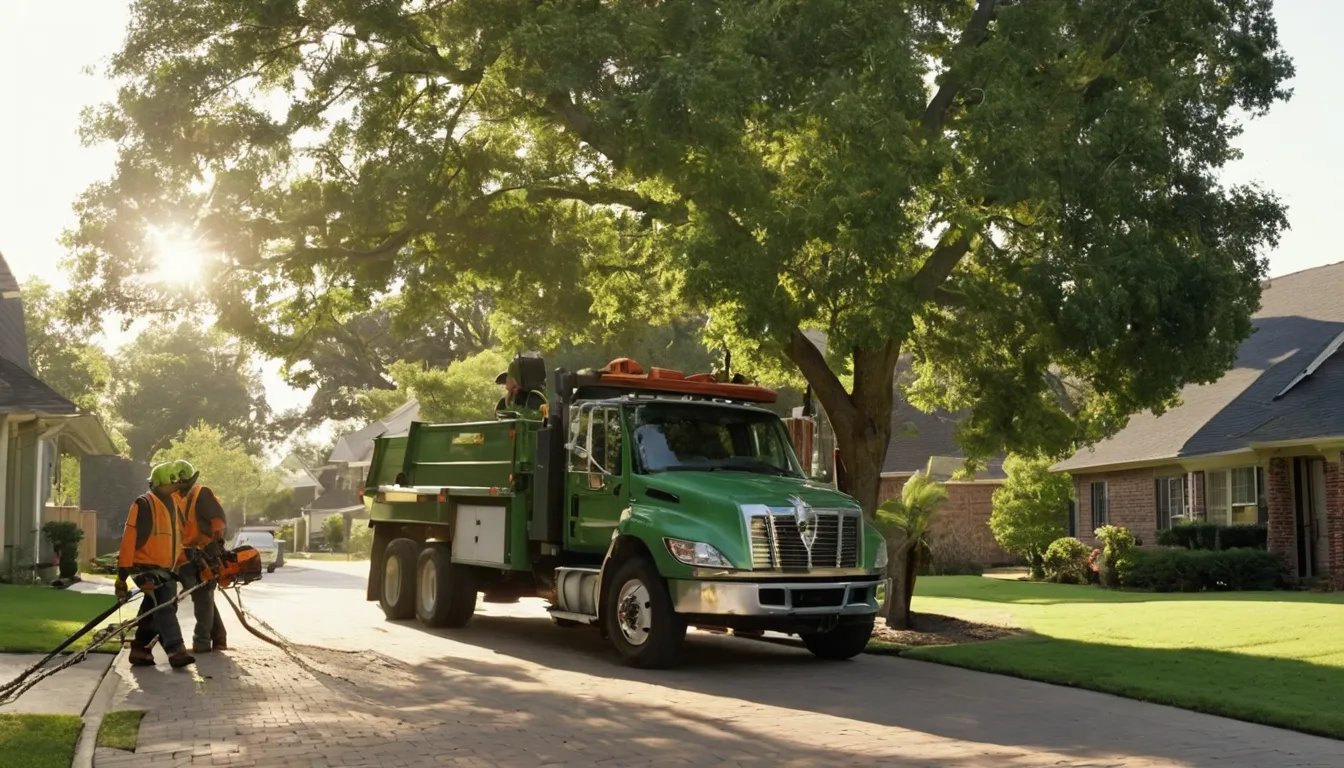
Tree Removal in McKinney, TX
Request a tree removal estimate
A tree can look simple from the yard and feel very different once you look up. Weight, lean, power lines, and roofs all change the job. This page helps you sort what you can handle from what needs trained people with ropes and rigging. Independent providers in the McKinney area do the cutting, lowering, and hauling. Freshdirrect Tree Service only helps you reach them.
Here you will find clear signs that a tree cannot wait, a look at how timing changes things after a storm, and plain steps for how removal works. You will also see typical price ranges, tips on permits, and questions to ask before you say yes. Take it one step at a time, and ask for a written quote.
Breathe, Then Plan
A leaning trunk or a cracked limb can make your stomach drop. Take a breath. Most tree problems have a calm, clear path. This page walks you through it, from the first look to the last rake.
Freshdirrect Tree Service is a referral service. It connects you with independent local providers in the McKinney area. The providers do the work, not Freshdirrect Tree Service.
Pro or DIY? Start With Size
The first question is simple: how big is the job? A small sapling, a shrub, or a dead branch you can reach from the ground is often fine for a homeowner. Anything bigger is a different story. Ask before climbing. If the plan needs both a ladder and a saw, stop and think again.
Where You Can Safely Help
There is plenty a homeowner can do without risk:
- Move cars, grills, and patio furniture out of the area.
- Take clear photos of the tree from several sides.
- Trim low branches from the ground with hand loppers.
- Rake and bag small debris after the work is done.
- Keep kids and pets indoors on removal day.
Where Pros Are Needed
Call in a provider if the tree is taller than you can reach from the ground. The same goes for any tree over a roof, near a fence, or close to power lines. Wood under tension can snap back without warning. Trained climbers use ropes, rigging, and the right saws to control every piece. A chainsaw on a ladder is how many yard accidents begin.
Signs a Tree Cannot Wait
Some problems are urgent. Look for these:
- A trunk with a fresh split or deep crack.
- Soil lifting at the base on one side.
- A broken limb hanging in the canopy.
- A tree resting on a roof, car, or wires.
Keep everyone away from the area. If a power line is down, stay back and contact your utility or emergency services. Then Request a callback to check provider availability for emergency tree removal.
How Timing Changes the Outcome
After a storm, the first hours are about safety. Keep clear, take photos, and cover roof openings if you can do so from the ground. By the next day, providers may be busy, and roads or yards may still be blocked. Over the following days, wet wood gets heavy and soft soil can let a leaning tree shift further. After a week of hot, humid weather, rot and insects set in. Acting early often means a smaller, safer job.
Storm Tree Clearance in Busy Weeks
During tropical storm season, many homeowners reach out at once. Providers often handle blocked roads and damaged homes first. If your tree is stable and out of the way, you may wait a little longer. Tell the provider exactly what you see so they can plan fairly.
Reasons Homeowners Remove Trees
People choose removal for many reasons:
- The tree is dead, sick, or hollow.
- Roots are lifting a slab, driveway, or pipes.
- Limbs hang over the roof.
- The tree leans after a storm.
- A new addition or pool needs the space.
How Tree Removal Works
A provider usually visits first, looks at the tree, and explains the plan. Where there is open space, a tree falling service may cut the trunk so it drops in a set direction. In tight yards, climbers take the tree down in sections and lower each piece on ropes. Then the crew cuts the wood into smaller pieces and feeds branches into a chipper. Ask what is included before the work begins.
What Affects the Price
Height, trunk width, and access matter most. A tree behind a fence costs more than one beside a driveway. Power lines, a nearby roof, or a need for a crane add time. Hauling away the wood is often a separate line. The table below shows typical U.S. ranges, which vary by job. Always get a written quote.
Permits and Local Rules
Some cities protect certain trees, especially large or older ones. Neighborhood associations may also have rules. Utility companies often handle trees touching their lines. Ask the provider what applies, and check with your city office if you are unsure. A short check can prevent a fine later.
Choosing a Provider
Ask each provider a few plain questions:
- Can you show proof of insurance?
- Is the quote in writing, with cleanup listed?
- Is stump work included or priced apart?
- How will you protect my lawn and roof?
Compare more than one quote when time allows. A clear answer is a good sign.
Getting Ready for Removal Day
Clear a path from the street to the tree. Move vehicles and loose items. Mark sprinkler heads and buried lines. Tell neighbors, since the noise carries. Keep pets inside and stay out of the work zone while the crew works.
After the Tree Comes Down
Walk the yard with the provider. Check for leftover branches, ruts, and damage to fences or gutters. Decide what to do with the wood. Many homeowners keep logs for firewood or mulch. A stump may remain, and stump grinding is usually quoted as its own job.
Insurance and Paperwork
Some policies may cover sudden damage from a fallen tree. Check your policy and ask your agent what applies. Providers can often help document damage for a claim, so keep photos and written quotes together.
Your Next Step
You do not have to figure it all out today. Decide if the tree is urgent, take a few photos, and ask for a written quote. Calm steps lead to safer results.
What's Included
Full Tree Removal
Providers cut the tree down in controlled pieces or as a whole trunk, based on the space around it.
Climbing and Rigging
Trained climbers use ropes and gear to lower heavy limbs safely over roofs, fences, and gardens.
Debris Hauling Options
Many providers chip branches and haul away logs. Ask whether cleanup is part of the written quote.
Site Protection
Providers may lay boards or mats to protect lawns, driveways, and slabs from heavy gear and falling wood.
Typical Tree Removal Costs
Prices change with tree size, access, and cleanup. These typical U.S. ranges are only a guide. Each provider sets their own rates, so ask for a written quote before you agree.
| Job type | Typical range | Notes |
|---|---|---|
| Small tree (under 30 ft) | $150 – $500 | Easy access, quick cut and haul |
| Medium tree (30–60 ft) | $400 – $1,200 | Often cut in sections |
| Large tree (60 ft or more) | $1,000 – $2,500 | Needs more crew and gear |
| Tight or hard access | $1,500 – $3,500 | May need a crane or extra rigging |
| Tree on a roof or fence | $1,500 – $5,000 | Added risk and careful cutting |
| Wood haul-away and cleanup | $75 – $400 | Sometimes listed as a separate line |
How It Works
Share Your Details
Tell us about the tree, its size, and where it stands, using the request form or a quick call.
Get Matched With Providers
Independent providers in your area may reach out to review the job and discuss next steps.
Review Written Quotes
Compare scope, cleanup, and price in writing, and ask about permits and insurance before agreeing.
Schedule the Work
Pick a date with your chosen provider and prepare the yard for removal day.
Why Call Freshdirrect Tree Service
Safer Work
Trained climbers know how to handle weight, tension, and falling wood around your home.
Right Equipment
Providers bring saws, ropes, and chippers that homeowners rarely own.
Clear Quotes
You can compare written estimates from independent local providers before deciding.
Calm Guidance
Plain steps help you decide what to do now and what can wait.
Other Services
Need tree removal in McKinney?
- Tree removal, storm cleanup, and stump grinding
- Written quotes with no obligation
- Clear advice on DIY versus pro
- Simple request form
Tree Removal FAQ
Can I remove a tree myself?
You can handle small saplings and low branches from the ground with hand tools. Taller trees, trees near roofs or wires, and leaning trunks need trained providers with ropes and rigging. When unsure, ask a provider first.
How much does tree removal cost?
Typical U.S. prices run from about $150 for a small tree to several thousand for large or hard-to-reach ones. Costs vary by job, so get a written quote.
Do I need a permit to remove a tree?
It depends on your city, the tree's size, and any neighborhood rules. Some trees are protected. Ask the provider and check with your city office before cutting anything large or old.
Request a callback
Describe your tree and send a request through Freshdirrect Tree Service. A local provider can review the job and share a written quote. Email contact@freshdirrect.buzz with any questions.
No obligation